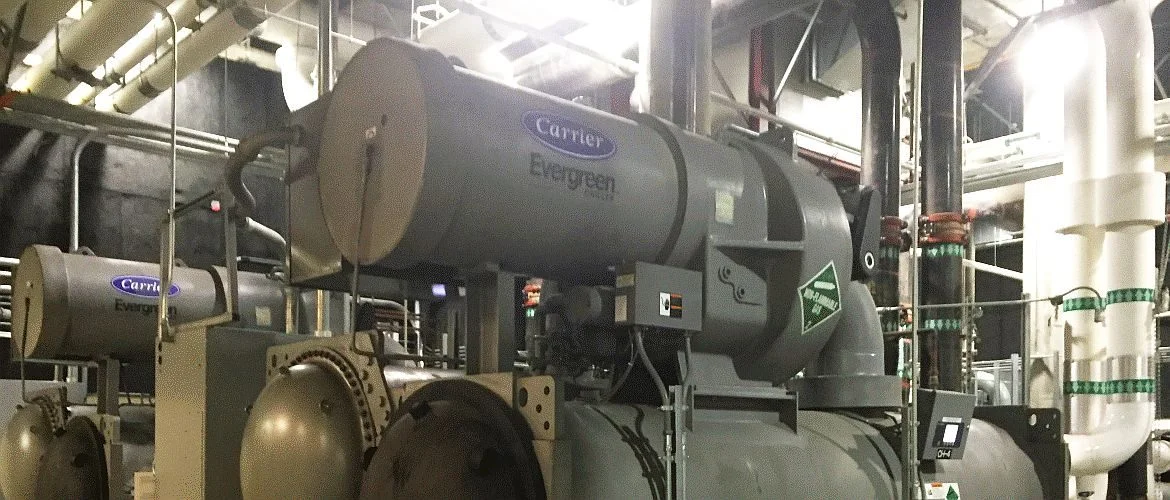
Ensuring optimal steam quality for surgical instrument sterilization in healthcare facilities across Southern California.
Direct Engineering Summary
Optimal steam quality for hospital sterile processing department (SPD) autoclaves, critical for preventing wet-pack failures and ensuring instrument sterility, requires steam dryness values exceeding 0.98, non-condensable gas concentrations below 3.5% by volume, and superheat not exceeding 25K (45F) at atmospheric pressure. Western Mechanical, Inc., a UA Local 250 signatory contractor (CSLB #618138), specializes in diagnosing and remediating these issues in clean steam generators and distribution systems to meet ISO 17665 and AAMI ST79 standards. Contact us at (661) 251-0111.
Engineering Tolerances & Governing Standards
Parameter
Specification
Standard
Steam Dryness Value
> 0.98 (98%)
ISO 17665-1:2006, AAMI ST79:2017
Non-Condensable Gases (NCG)
< 3.5% by volume
EN 285:2015, HTM 01-05
Superheat at Point of Use
< 25K (45F) above saturation
AAMI ST79:2017, ISO 17665-1
Boiler Feedwater Conductivity
< 500 S/cm (for clean steam)
ASME BPV Code Section VI, HTM 01-05
Steam Supply Pressure Stability
+/- 5% of setpoint
ASHRAE 170-2021, HCAI PIN 70
Understanding Steam Dryness and Wet Pack Failures
The efficacy of steam sterilization in hospital Sterile Processing Departments (SPD) hinges critically on the quality of the steam delivered to autoclaves. A primary concern is steam dryness, quantified by a dryness value between 0 and 1, where 1 represents 100% dry saturated steam. A dryness value below 0.98 indicates excessive moisture (wet steam), leading directly to "wet pack" failures. These occur when residual moisture remains on sterilized instrument trays, compromising sterility and requiring reprocessing, which incurs significant operational costs and delays surgical schedules. The underlying causes often trace back to boiler carryover, inadequate steam separator performance, or improper condensate drainage within the distribution system.
Wet steam reduces the latent heat transfer efficiency, preventing instruments from reaching and maintaining the required sterilization temperature. This phenomenon is particularly problematic in Southern California's varied climate, where ambient temperature swings can affect steam line heat loss and condensate formation. Western Mechanical, Inc. employs advanced diagnostics, including steam quality test kits and infrared thermography, to pinpoint the exact source of wet steam. Our UA Local 250 journeymen then implement targeted solutions, such as optimizing boiler water chemistry, installing high-efficiency steam separators, or redesigning condensate return systems to ensure steam dryness consistently meets ISO 17665 and AAMI ST79 standards.
Mitigating Non-Condensable Gases (NCG) in Sterilization
Non-condensable gases (NCG), primarily air, CO2, and other inert gases, pose a significant threat to effective steam sterilization. Even small concentrations of NCGs (above 3.5% by volume) can form insulating pockets within the sterilizer chamber or instrument lumens, preventing steam from contacting and sterilizing critical surfaces. This leads to incomplete sterilization cycles, detectable via Bowie-Dick tests showing incomplete color changes. Sources of NCGs include boiler feedwater dissolved gases, air ingress from vacuum breaks, or inadequate air removal during the sterilizer's pre-vacuum phase. Addressing NCGs is paramount for patient safety and regulatory compliance in healthcare facilities.
Diagnosing NCG issues requires precise measurement using specialized NCG test kits. Western Mechanical, Inc. focuses on systemic solutions, starting with optimizing boiler deaeration and ensuring proper operation of clean steam generators, which typically employ dedicated feedwater pre-heaters to drive off dissolved gases. We also inspect and service vacuum pumps, steam traps, and air vents throughout the steam distribution network to prevent air intrusion. Our comprehensive approach ensures that the steam delivered to hospital autoclaves is not only dry but also virtually free of non-condensable gases, thereby guaranteeing reliable Bowie-Dick test results and robust sterilization cycles, critical for HCAI compliance.
Optimizing Clean Steam Generation and Distribution Systems
For hospital SPD applications, the steam source must be a dedicated clean steam generator, often stainless steel, separate from the facility's main utility boiler. This separation prevents boiler water treatment chemicals and impurities from contaminating the sterile process. However, even clean steam generators can suffer from operational inefficiencies such as carryover, where boiler water droplets are entrained in the steam, or inadequate separation of condensate. Proper sizing, maintenance, and control of these generators are essential to produce high-quality, dry, saturated steam consistently, without excessive superheat, which can also impede sterilization by acting like a dry gas.
Western Mechanical, Inc. specializes in the commissioning, maintenance, and repair of all major brands of clean steam generators. Our services include optimizing boiler blowdown rates to control total dissolved solids (TDS), ensuring proper operation of steam separators and traps, and verifying insulation integrity across the steam distribution network to prevent excessive heat loss and condensate formation. We also calibrate pressure reducing valves (PRVs) to maintain stable steam pressure at the autoclave inlet, a critical factor for consistent sterilization cycles. Our expertise ensures that healthcare facilities meet stringent standards like ASHRAE 170 and HCAI PIN 70 for critical environments.
UA Local 250 Certified Field Diagnostic & Commissioning Protocol
Perform steam dryness test at autoclave inlet using an Armstrong steam quality test kit, targeting > 0.98 dryness value.
Conduct non-condensable gas (NCG) test at sterilizer supply line using NCG sampling apparatus, confirming < 3.5% by volume.
Verify steam supply pressure stability at autoclave manifold using calibrated digital pressure gauge, ensuring +/- 5% deviation.
Inspect clean steam generator for signs of boiler carryover or foaming; verify proper operation of internal separators and blowdown valves.
Check all steam traps on sterilizer supply and condensate return lines for proper function using ultrasonic leak detector or infrared camera.
Facility Director & Chief Engineer FAQs
Why are wet packs a critical issue in hospital SPD?
Wet packs indicate residual moisture on sterilized instruments, compromising sterility and rendering the surgical tray unsafe for use. This can lead to surgical delays, increased reprocessing costs, and potential infection risks, necessitating immediate remediation of steam quality issues by Western Mechanical, Inc. to maintain patient safety and operational efficiency.
How do non-condensable gases affect sterilization?
Non-condensable gases (NCGs) create cold spots and air pockets within the sterilizer chamber and instrument lumens, preventing steam from fully penetrating and sterilizing surfaces. This leads to incomplete sterilization, often detected by failed Bowie-Dick tests, and requires expert diagnosis and remediation of the steam supply system.
What is the role of a clean steam generator in hospitals?
A clean steam generator produces steam from purified water, isolated from the main facility boiler, to prevent contamination from boiler chemicals or impurities. This dedicated, high-quality steam is essential for sterilizers, humidifiers, and other critical applications where direct contact with sterile environments or breathable air occurs.
What standards govern hospital steam quality for sterilization?
Hospital steam quality for sterilization is governed by stringent standards such as ISO 17665, AAMI ST79, EN 285, and HTM 01-05. These standards specify critical parameters like steam dryness (>0.98), non-condensable gas concentration (<3.5%), and superheat limits, which Western Mechanical, Inc. ensures compliance with.
Acton Headquarters & 24/7 Southern California Dispatch
Western Mechanical, Inc. • 2210 Soledad Canyon Road, Suite O, Acton, CA 93510 • Primary Phone: (661) 251-0111 • 24/7 Toll-Free: (800) 585-5085 • CSLB #618138 (C-20, C-38, C-4)