WESTERN MECHANICAL, INC. | Primary Dispatch: (661) 251-0111 | 24/7 Hotline: (800) 585-5085 | CSLB #618138 (C-20, C-38, C-4) | 100% UA Local 250 Union
2 AM Chiller/Boiler Lockout Triage: What Watch Engineers Should Check (and Never Reset)
Capturing Hex Fault Codes, Oil/Discharge Pressures, and Flow Differential BEFORE Hitting Reset to Prevent Catastrophic Failure
Direct Engineering Summary
During a 2 AM chiller or boiler lockout, watch engineers must prioritize documenting all available data, including exact hex fault codes, oil and discharge pressures, and flow differential, before attempting any reset. This critical data collection, performed by UA Local 250 journeymen from Western Mechanical, Inc. (CSLB #618138), prevents misdiagnosis and catastrophic failures like ruptured tubes or exploded furnaces, ensuring safety and efficient repair. For immediate dispatch, call (661) 251-0111.
Engineering Tolerances & Governing Standards
Parameter
Specification
Standard
Chiller Oil Pressure Differential
Minimum 20-30 PSI (138-207 kPa) above suction
ASHRAE 15 (Safety Standard for Refrigeration Systems)
Boiler Low Water Cutoff (LWCO) Reset
Manual reset only after visual confirmation of adequate water level; automatic reset forbidden
ASME Section I/IV (Boiler & Pressure Vessel Code)
Refrigerant Discharge Pressure Limit
Varies by refrigerant; typically 300-450 PSIG (2068-3103 kPa)
Manufacturer's Specification, ASHRAE 15
Combustion Air Flow Differential
Maintain positive pressure across burner; typical range 0.1-0.3 in. w.c. (25-75 Pa)
NFPA 85 (Boiler and Combustion Systems Hazards Code)
Hex Fault Code Documentation
Record full alphanumeric code and timestamp prior to any system interaction
OEM Diagnostic Protocol
The Critical First 5 Minutes: Data Capture Over Impulse
When a chiller or boiler unexpectedly locks out at 2 AM, the immediate impulse for many watch engineers is to hit the reset button. This is a critical error. Resetting without first documenting the exact hex fault codes, oil pressures (for chillers), discharge pressures, and flow differentials erases vital diagnostic information. These transient data points are often the only evidence of the root cause, such as a failing oil pump, a clogged strainer, or an incipient tube rupture, preventing Western Mechanical, Inc. UA Local 250 journeymen from quickly and accurately diagnosing the issue upon arrival.
The physics of a mechanical system failure often leaves behind a signature in the control system's fault log and instantaneous sensor readings. For instance, a momentary low oil pressure trip on a centrifugal chiller indicates an issue with lubrication, not necessarily a motor overload. A boiler flame failure lockout, if reset without checking combustion air or fuel pressure, could lead to a dangerous furnace purge cycle. Documenting these parameters ensures that our CSLB #618138 certified technicians can perform targeted troubleshooting, minimizing downtime and preventing further, potentially catastrophic, damage.
Understanding Lockout Mechanisms and Preventative Action
Chillers and boilers employ sophisticated lockout mechanisms designed to protect expensive components and ensure operational safety. A high-pressure lockout on a chiller, for example, could be due to non-condensables, cooling tower fan failure, or fouled condenser tubes. A low water cutoff lockout on a boiler is a direct safeguard against dry firing, which can lead to tube deformation or explosion. Attempting to bypass or repeatedly reset these safeties without addressing the underlying condition is exceedingly dangerous and violates numerous safety codes, including ASME Section I/IV and ASHRAE 15.
In Southern California's demanding climate, especially during peak cooling or heating seasons, equipment is pushed to its limits. Overlooking the transient data from a lockout can lead to prolonged outages or even equipment replacement. Western Mechanical, Inc.'s approach emphasizes a methodical, data-driven response. By meticulously recording the fault code (e.g., 'E-24 High Discharge Pressure' or 'F-03 Flame Failure'), associated pressures, temperatures, and flow rates, facility engineers provide our UA Local 250 technicians with an invaluable snapshot of the system's state at the moment of failure, streamlining the repair process and enhancing safety.
The ROI of Prudent Triage: Safety, Speed, and Savings
The return on investment (ROI) of proper 2 AM lockout triage is multifaceted, encompassing enhanced safety, reduced repair times, and significant cost savings. A correctly diagnosed issue means fewer parts are ordered unnecessarily, and the repair is completed faster, minimizing operational disruptions. Conversely, a blind reset can mask the true problem, leading to recurring failures, increased energy consumption due to inefficient operation, and ultimately, premature equipment wear or catastrophic breakdown. This proactive data capture is a cornerstone of effective lifecycle asset management.
For facilities operating under stringent regulations like HCAI PIN 70 for healthcare or SCAQMD Rule 1146 for emissions, avoiding equipment failures and ensuring rapid, compliant repairs is paramount. Western Mechanical, Inc. empowers watch engineers with the knowledge that their initial data collection is not just a procedural step, but a critical diagnostic contribution. Our 24/7 dispatch at (800) 585-5085 ensures that UA Local 250 experts are en route while the facility team secures the critical data, forming a seamless, efficient response to any emergency.
UA Local 250 Certified Field Diagnostic & Commissioning Protocol
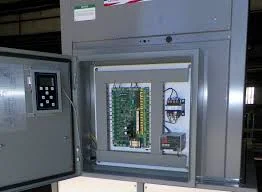
Verify and record the exact alphanumeric hex fault code displayed on the chiller/boiler control panel.
Document instantaneous oil pressure, discharge pressure, and suction pressure (for chillers) or steam/water pressure (for boilers) at the moment of lockout.
Note any abnormal sounds, vibrations, or visual cues (e.g., leaks, smoke, flame characteristics) immediately preceding or during the lockout.
Record relevant flow rates (e.g., chilled water, condenser water, boiler feedwater, combustion air) and differential pressures across filters/strainers.
Confirm and log the status of all associated safety interlocks (e.g., low water cutoffs, high-pressure switches, flame sensors) if accessible without resetting.
Facility Director & Chief Engineer FAQs
Why is documenting hex fault codes so important before a reset?
Hex fault codes are unique diagnostic signatures that pinpoint the exact cause of a lockout. Resetting erases this critical data, making it exponentially harder for Western Mechanical, Inc. technicians to diagnose the root problem, leading to longer downtime and potentially incorrect repairs.
What pressures should be recorded during a chiller lockout?
For chillers, record oil pressure (if applicable), discharge pressure, and suction pressure. These values provide insight into refrigerant circuit health, compressor performance, and potential issues like non-condensables or restricted flow, guiding UA Local 250 experts.
Can I ever reset a boiler's low water cutoff (LWCO) automatically?
Never. A boiler's LWCO is a critical safety device. It should only be reset manually after visual confirmation of adequate water level and investigation into the cause of the low water condition, as per ASME Section I/IV, to prevent dry firing and catastrophic failure.
What if the control panel only shows a generic 'System Fault'?
Even a generic fault requires documentation. Additionally, record any sub-menus or diagnostic screens that might offer more detail. Note external factors like power fluctuations, unusual noises, or environmental conditions. This context helps Western Mechanical, Inc. narrow down potential causes.
Acton Headquarters & 24/7 Southern California Dispatch
Western Mechanical, Inc. • 2210 Soledad Canyon Road, Suite O, Acton, CA 93510 • Primary Phone: (661) 251-0111 • 24/7 Toll-Free: (800) 585-5085 • CSLB #618138 (C-20, C-38, C-4)