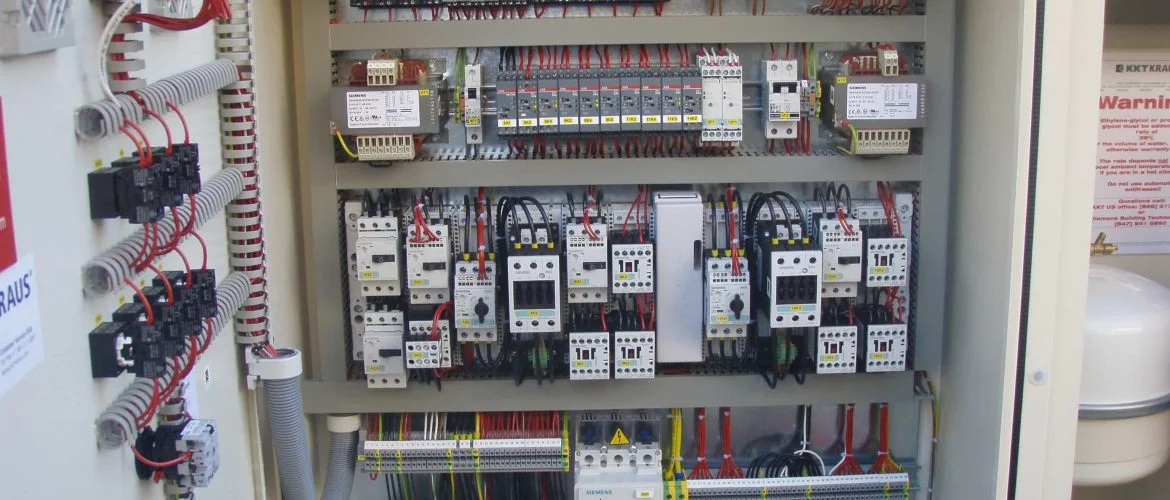
Ensuring Permit-to-Operate Compliance for Low-NOx Boilers in Antelope Valley and Ventura County
Direct Engineering Summary
Commercial and industrial boilers in the Antelope Valley Air Quality Management District (AVAQMD) and Ventura County Air Pollution Control District (VCAPCD) must comply with stringent NOx emission limits. AVAQMD Rule 1146 mandates NOx levels below 9 ppm corrected to 3% O2 for natural gas-fired boilers, while VCAPCD Rule 74.15 sets a 30 ppm limit for units over 2 MMBtu/hr. Compliance requires a Permit-to-Operate and often involves ultra-low NOx burners or SCR systems. Western Mechanical, Inc., CSLB #618138, provides UA Local 250 certified boiler services to meet these regulations. Call (661) 251-0111 for expert assistance.
Engineering Tolerances & Governing Standards
Parameter
Specification
Standard
AVAQMD Rule 1146 NOx Limit (Natural Gas)
9 ppm @ 3% O2 (dry)
Antelope Valley AQMD Rule 1146
VCAPCD Rule 74.15 NOx Limit (>2 MMBtu/hr)
30 ppm @ 3% O2 (dry)
Ventura County APCD Rule 74.15
CO Emission Limit (AVAQMD/VCAPCD)
400 ppm @ 3% O2 (dry)
Rule 1146 / Rule 74.15
Minimum Combustion Efficiency
80% (gross heating value)
ASHRAE 90.1
Oxygen Trim Control Accuracy
+/- 0.5% O2
Manufacturer Specifications / Best Practices
Navigating Antelope Valley AQMD Rule 1146 for Boiler Emissions
The Antelope Valley Air Quality Management District (AVAQMD), encompassing Palmdale and Lancaster, enforces Rule 1146 to significantly reduce nitrogen oxides (NOx) emissions from commercial and industrial boilers. This regulation mandates a stringent NOx emission limit of 9 ppm corrected to 3% oxygen (O2) for natural gas-fired units. Achieving this low threshold often necessitates the installation of ultra-low NOx burners (ULNBs) or advanced selective catalytic reduction (SCR) systems, coupled with precise oxygen trim controls to optimize combustion efficiency while minimizing pollutant formation. Facility operators must secure a Permit-to-Operate from AVAQMD, demonstrating continuous compliance through periodic source testing and record-keeping.
Compliance with AVAQMD Rule 1146 extends beyond initial equipment installation; it requires ongoing maintenance and calibration by certified technicians. The high desert climate of the Antelope Valley can impact boiler performance, with significant diurnal temperature swings affecting combustion air density and requiring adaptive control strategies. Western Mechanical, Inc.'s UA Local 250 journeymen are adept at commissioning and maintaining these sophisticated low-NOx systems, ensuring that boilers operate within permitted limits and avoid costly fines. We specialize in optimizing boiler turndown ratios to maintain efficiency during varying load demands, a critical factor for facilities in this region.
Understanding VCAPCD Rule 74.15 for Ventura County Boilers
Ventura County Air Pollution Control District (VCAPCD) Rule 74.15 governs NOx emissions from boilers and process heaters within its jurisdiction, including areas like Thousand Oaks and Oxnard. For units with a heat input capacity exceeding 2 MMBtu/hr, the rule establishes a NOx emission limit of 30 ppm corrected to 3% O2. While less stringent than AVAQMD's 9 ppm, it still demands advanced combustion technologies or post-combustion controls to achieve compliance. Facilities must obtain a VCAPCD Permit-to-Operate, which includes detailed requirements for emission monitoring, record-keeping, and annual tune-ups or source testing, depending on boiler size and type.
The coastal influence in Ventura County introduces unique operational considerations, such as higher ambient humidity which can affect combustion air properties. Our experienced technicians at Western Mechanical, Inc. understand these regional nuances, providing tailored solutions for VCAPCD compliance. We implement robust preventative maintenance programs that include regular combustion analysis using calibrated flue gas analyzers, ensuring that burners are optimally tuned to minimize both NOx and carbon monoxide (CO) emissions. Our services help facilities maintain their Permit-to-Operate status and avoid potential enforcement actions, safeguarding both environmental quality and operational continuity.
Integrated Compliance and Lifecycle Management for Low-NOx Systems
Achieving and sustaining compliance with both AVAQMD Rule 1146 and VCAPCD Rule 74.15 requires an integrated approach to boiler lifecycle management. This encompasses everything from initial equipment selection and permitting assistance to installation, commissioning, and ongoing maintenance. The capital investment in ultra-low NOx burners or SCR systems is substantial, making long-term operational efficiency and reliability paramount. Our engineering team assists clients in selecting technologies that not only meet emission thresholds but also offer the best return on investment through reduced fuel consumption and extended equipment lifespan, considering the specific operational profiles of each facility.
Western Mechanical, Inc. provides comprehensive compliance support, including preparing permit applications, conducting pre-compliance testing, and coordinating with district inspectors. Our UA Local 250 certified journeymen are proficient in the latest diagnostic tools and techniques, ensuring that all boiler components, from fuel trains to control systems, function optimally. For industrial and commercial facilities in Palmdale, Lancaster, Thousand Oaks, and Oxnard, partnering with a knowledgeable mechanical contractor like Western Mechanical, Inc., CSLB #618138, is crucial for navigating complex air quality regulations and maintaining uninterrupted, compliant boiler operations.
UA Local 250 Certified Field Diagnostic & Commissioning Protocol
Verify burner air-fuel ratio via O2 and CO readings using a calibrated flue gas analyzer (e.g., Testo 350) to optimize combustion efficiency and minimize NOx/CO.
Inspect and calibrate oxygen trim system sensors and actuators, ensuring response within +/- 0.5% O2 to maintain stable low-NOx operation.
Confirm proper operation of ultra-low NOx burner (ULNB) or Selective Catalytic Reduction (SCR) system components, including catalyst health and ammonia injection rates (if applicable).
Review boiler control system (BMS/BCS) trend data for NOx, O2, and CO over varying load conditions to identify potential excursions or control issues.
Document boiler operating parameters, maintenance logs, and emission test results for Permit-to-Operate record-keeping and annual reporting requirements.
Facility Director & Chief Engineer FAQs
What is the primary difference in NOx limits between AVAQMD Rule 1146 and VCAPCD Rule 74.15?
AVAQMD Rule 1146 is significantly more stringent, requiring natural gas-fired boilers to meet 9 ppm NOx corrected to 3% O2. VCAPCD Rule 74.15 sets a 30 ppm NOx limit (at 3% O2) for boilers over 2 MMBtu/hr, allowing for different compliance strategies depending on the district.
Do these rules apply to all commercial boilers in Palmdale and Ventura County?
These rules primarily target larger commercial and industrial boilers. AVAQMD Rule 1146 applies to units with a rated heat input capacity of 2 MMBtu/hr or greater. VCAPCD Rule 74.15 applies to units exceeding 2 MMBtu/hr. Smaller units may have different requirements or exemptions.
What technologies are typically used to comply with these low-NOx boiler rules?
Common compliance technologies include ultra-low NOx (ULN) burners, flue gas recirculation (FGR), and selective catalytic reduction (SCR) systems. The specific choice depends on the boiler size, existing infrastructure, and the required NOx reduction levels for the respective air district.
How often is source testing required for boilers under AVAQMD or VCAPCD rules?
Source testing frequency varies based on boiler size, type, and previous compliance history. Generally, larger boilers or those using advanced controls may require annual or biennial source testing, while smaller units might rely on annual tune-ups and periodic combustion analysis. Always consult your specific Permit-to-Operate.
Acton Headquarters & 24/7 Southern California Dispatch
Western Mechanical, Inc. • 2210 Soledad Canyon Road, Suite O, Acton, CA 93510 • Primary Phone: (661) 251-0111 • 24/7 Toll-Free: (800) 585-5085 • CSLB #618138 (C-20, C-38, C-4)