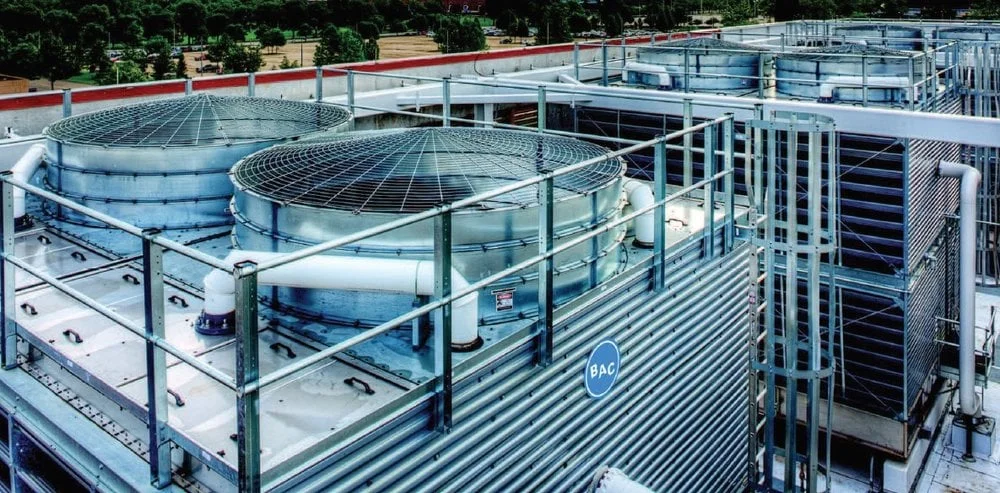
Protecting Idle Lag Chillers and Seasonal Tower Cells from Stagnant Microbiological Influenced Corrosion (MIC), Under-Deposit Pitting, and Dead-Leg Legionella
Direct Engineering Summary
Seasonal chiller and cooling tower layup protocols are critical to prevent microbiological influenced corrosion (MIC), under-deposit pitting, and Legionella proliferation in idle equipment. Western Mechanical, Inc. recommends either wet or dry layup, depending on duration and risk factors. Wet layup typically involves biocide and corrosion inhibitor circulation, while dry layup requires complete draining, drying, and desiccant application. These protocols, executed by UA Local 250 journeymen, ensure asset longevity and compliance. Contact Western Mechanical, Inc., CSLB #618138, at (661) 251-0111 for expert service.
Engineering Tolerances & Governing Standards
Parameter
Specification
Standard
Corrosion Rate (Layup)
< 2 mpy (mils per year)
NACE RP0169
Biocide Residual (Wet Layup)
Minimum 20 ppm free chlorine (or equivalent)
ASHRAE 188-2021
Relative Humidity (Dry Layup)
< 40%
ASTM D6675
Microbiological Count (Wet Layup)
< 10^4 CFU/mL (Heterotrophic Plate Count)
AWWA C652
Water Conductivity (Wet Layup)
< 1000 µS/cm
ASTM D1125
Understanding Corrosion Mechanisms in Idle Equipment
Idle chillers and cooling towers, particularly lag units or seasonal cells, are highly susceptible to various forms of corrosion that significantly reduce their operational lifespan and efficiency. Stagnant water conditions create anaerobic environments conducive to Microbiological Influenced Corrosion (MIC), where bacteria like sulfate-reducing bacteria (SRB) and iron-oxidizing bacteria (IOB) form biofilms. These biofilms create localized anodic and cathodic sites, leading to severe pitting corrosion, often hidden beneath deposits. This phenomenon is exacerbated in Southern California's varied water chemistries and fluctuating ambient temperatures, which can promote rapid microbial growth during periods of inactivity.
Under-deposit pitting is another critical concern, occurring when sediment, scale, or corrosion byproducts accumulate on heat transfer surfaces. These deposits create differential aeration cells, where oxygen depletion beneath the deposit leads to anodic dissolution of the metal. This localized attack can perforate tubes or basin walls far faster than general corrosion. Additionally, dead legs—sections of piping that remain filled with stagnant water—become prime breeding grounds for Legionella bacteria, posing a significant public health risk upon system reactivation. Proper layup protocols are not merely about asset protection; they are essential for maintaining system integrity and occupant safety.
Wet Layup Protocols for Short-Term Idleness
For chillers and cooling towers expected to be idle for periods ranging from a few weeks to several months, a wet layup strategy is often the most practical and cost-effective. This method involves keeping the system filled with treated water, carefully dosed with a broad-spectrum biocide to control microbial growth and a suitable corrosion inhibitor to passivate metal surfaces. The key is to maintain consistent chemical concentrations throughout the entire system, including all dead legs and bypass lines, by periodic recirculation. Monitoring biocide residual and corrosion inhibitor levels, along with regular water quality testing for microbial counts and pH, is paramount to ensure the effectiveness of the treatment and prevent chemical degradation.
Western Mechanical, Inc.'s UA Local 250 journeymen meticulously execute wet layup procedures, ensuring all isolation valves are correctly positioned to prevent unintended draining or contamination. Our process includes flushing the system to remove accumulated debris, followed by precise chemical dosing tailored to the system's metallurgy and water volume. We utilize non-oxidizing biocides for extended protection and film-forming corrosion inhibitors to create a protective barrier on internal surfaces. This approach minimizes the risk of MIC and pitting while keeping the equipment ready for relatively quick return to service, an important consideration for facilities with unpredictable operational demands.
Dry Layup for Extended Shutdowns and Critical Assets
When chillers or cooling towers are slated for extended shutdowns, typically six months or longer, or for critical assets where any risk of corrosion is unacceptable, a comprehensive dry layup protocol is the superior choice. This method completely removes water from the system, eliminating the medium necessary for both corrosion and microbial growth. The process begins with thorough cleaning and draining of all system components, including heat exchangers, pumps, and piping. Special attention is given to ensuring no pockets of water remain, which can be achieved through air purging or vacuum drying. Subsequently, a desiccant material, such as silica gel or activated alumina, is strategically placed within the system to absorb residual moisture and maintain a low relative humidity, typically below 40%.
The effectiveness of a dry layup hinges on meticulous execution and continuous monitoring. Western Mechanical, Inc. employs advanced techniques, including nitrogen blanketing for critical chiller components, to prevent oxygen ingress and subsequent oxidation. Our UA Local 250 technicians install humidity indicators and data loggers to track internal conditions, ensuring the desiccant remains active and the environment stays dry. All openings are sealed to prevent moisture re-entry. While more labor-intensive initially, dry layup offers the highest level of protection against MIC, pitting, and Legionella during prolonged periods of inactivity, significantly extending equipment life and reducing costly repairs upon recommissioning.
UA Local 250 Certified Field Diagnostic & Commissioning Protocol
Verify system isolation and tag-out/lock-out procedures per OSHA 1910.147 prior to any layup activity.
Conduct comprehensive water analysis (pH, conductivity, alkalinity, hardness, microbial count) to inform chemical treatment selection.
For wet layup, confirm biocide residual (e.g., 20-50 ppm free chlorine) and corrosion inhibitor concentration using field test kits.
For dry layup, measure internal relative humidity using a calibrated hygrometer and ensure desiccant saturation indicators are active.
Inspect all internal surfaces (tubes, basin, fill media) for pre-existing pitting, scale, or biofilm using a borescope or visual inspection.
Facility Director & Chief Engineer FAQs
Why is seasonal layup important for chillers and cooling towers?
Seasonal layup prevents severe issues like Microbiological Influenced Corrosion (MIC), under-deposit pitting, and Legionella growth in idle equipment. Stagnant water and fluctuating temperatures create ideal conditions for these problems, leading to costly repairs and reduced asset lifespan if not properly addressed by Western Mechanical, Inc. CSLB #618138.
When should I choose wet layup over dry layup for my equipment?
Choose wet layup for shorter idle periods (up to 6 months) and when a quicker return to service is needed. Dry layup is preferred for extended shutdowns (over 6 months) or for highly critical assets where complete moisture removal is paramount to prevent any corrosion or biological activity.
What are the risks of not implementing a proper layup protocol?
Neglecting layup leads to accelerated corrosion, particularly pitting and MIC, which can cause leaks, reduced heat transfer efficiency, and premature equipment failure. It also increases the risk of Legionella proliferation, posing significant health and compliance challenges upon system restart. Western Mechanical, Inc. mitigates these risks.
How does Western Mechanical, Inc. ensure effective layup procedures?
Our UA Local 250 signatory journeymen follow industry best practices (e.g., ASHRAE 188), employing precise chemical dosing for wet layups and meticulous drying/desiccant application for dry layups. We conduct thorough inspections and ongoing monitoring to ensure optimal protection against corrosion and microbial growth for your commercial HVAC assets.
Acton Headquarters & 24/7 Southern California Dispatch
Western Mechanical, Inc. • 2210 Soledad Canyon Road, Suite O, Acton, CA 93510 • Primary Phone: (661) 251-0111 • 24/7 Toll-Free: (800) 585-5085 • CSLB #618138 (C-20, C-38, C-4)