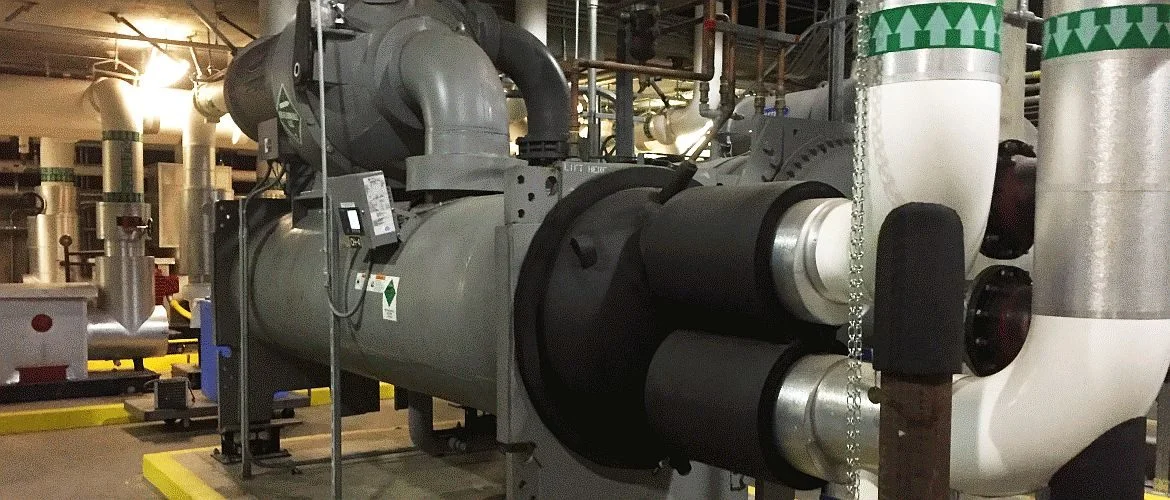
Precision environmental control for animal research facilities, ensuring AAALAC accreditation and optimal welfare.
Direct Engineering Summary
Biomedical vivarium HVAC systems, engineered by Western Mechanical, Inc. (CSLB #618138), maintain critical environmental conditions for animal research. Key features include 100% outdoor air (OAC) at 10-15 air changes per hour (ACH) per AAALAC standards, N+1 redundancy for uninterrupted operation, tight temperature control within ±2°F, and dual-source steam humidification for precise relative humidity (RH) management. Our UA Local 250 journeymen ensure compliance with ASHRAE 170 and HCAI PIN 70. Contact us at (661) 251-0111.
Engineering Tolerances & Governing Standards
Parameter
Specification
Standard
Air Changes Per Hour (ACH)
10-15 non-recirculated ACH minimum
AAALAC Guide, ASHRAE 170
Temperature Stability
±2°F (±1.1°C) from setpoint
AAALAC Guide, NIH Design Requirements
Relative Humidity (RH)
30-70% RH, typically 40-60% target
AAALAC Guide, ASHRAE 170
Ventilation Air Source
100% Outdoor Air (OAC)
AAALAC Guide, ASHRAE 170
System Redundancy
N+1 for critical components (AHUs, chillers, boilers)
HCAI PIN 70, NIH Design Requirements
Achieving AAALAC Compliance with 100% Outdoor Air Systems
Designing and installing HVAC systems for biomedical vivariums demands strict adherence to AAALAC International guidelines, which mandate stringent environmental controls to ensure animal welfare and research integrity. A cornerstone of this compliance is the implementation of 100% outdoor air (OAC) systems, preventing recirculation of potentially contaminated air. This design ensures between 10 to 15 non-recirculated air changes per hour (ACH), effectively diluting airborne contaminants, allergens, and odors specific to animal housing. Our engineering approach prioritizes robust air handling units (AHUs) with high-efficiency filtration (MERV 14+) and dedicated exhaust systems, often integrated with individual rack ventilation, to meet these critical air quality parameters.
The Southern California climate presents unique challenges for 100% OAC systems, particularly regarding latent and sensible loads. During hot, dry periods, significant energy is required for cooling and humidification, while cooler, humid periods demand precise dehumidification. Western Mechanical, Inc. engineers specify energy recovery ventilation (ERV) systems to reclaim sensible and latent energy from exhaust air, reducing the load on primary cooling and heating coils. This not only minimizes operational costs for university and pharmaceutical research facilities but also enhances system resilience and responsiveness to rapid environmental shifts, critical for maintaining the tight ±2°F temperature stability required by AAALAC.
Ensuring Uninterrupted Operations with N+1 Redundancy
Uninterrupted environmental control is paramount in vivariums, where even brief system failures can compromise animal health and invalidate research. To mitigate this risk, Western Mechanical, Inc. designs and installs N+1 redundant HVAC systems. This means that for every critical component—such as air handling units, chillers, boilers, and pumps—there is at least one standby unit capable of taking over immediately should an active unit fail or require maintenance. This redundancy extends beyond primary equipment to include power sources and control systems, ensuring that vivarium conditions remain stable even during unexpected events, a non-negotiable requirement for HCAI-regulated facilities and high-stakes research environments.
The implementation of N+1 redundancy requires meticulous planning, including dedicated mechanical spaces, robust piping and ductwork, and sophisticated building management systems (BMS) capable of automatic failover. Our UA Local 250 journeymen are expert in installing these complex systems, ensuring seamless integration and commissioning. This approach not only provides peace of mind for facility managers but also contributes to the long-term operational resilience and cost-effectiveness of the vivarium. By preventing costly research setbacks due to HVAC downtime, the initial investment in N+1 redundancy offers significant lifecycle ROI for biomedical research institutions.
Precision Temperature & Relative Humidity Control with Dual-Source Humidification
Maintaining precise temperature and relative humidity (RH) within vivariums is crucial for animal well-being and experimental validity. AAALAC guidelines typically require temperature stability within ±2°F and RH between 30-70%, with most facilities targeting 40-60%. Achieving this precision, especially with 100% OAC, necessitates advanced control strategies and robust humidification/dehumidification capabilities. Western Mechanical, Inc. employs dual-source steam humidification systems, often utilizing both central boiler steam and dedicated electric humidifiers, to provide redundancy and fine-tune RH levels independently of other HVAC parameters.
The dual-source approach offers superior reliability and control, particularly in Southern California's fluctuating climate. During dry Santa Ana wind events, maintaining adequate humidity can be challenging, while coastal humidity can pose dehumidification demands. Our systems integrate sophisticated DDC (Direct Digital Control) logic that modulates steam injection based on real-time sensor data, preventing over-humidification or under-humidification. This meticulous control not only meets AAALAC standards but also optimizes energy consumption by only adding or removing moisture as precisely required, ensuring a stable, healthy environment for research animals and protecting sensitive equipment.
UA Local 250 Certified Field Diagnostic & Commissioning Protocol
Verify 100% OAC airflow rates using a balometer, ensuring 10-15 ACH per zone, documenting static pressure differentials.
Confirm N+1 system redundancy functionality by simulating primary equipment failure and verifying automatic failover sequence via BMS.
Calibrate vivarium temperature sensors against a NIST-traceable standard, ensuring accuracy within ±0.5°F and verifying ±2°F zone stability.
Test dual-source steam humidifiers for proper operation, verifying steam output, condensate return, and RH control within 40-60% range.
Inspect and document MERV 14+ filter loading, ensuring proper sealing and pressure drop across filter banks per ASHRAE 52.2.
Facility Director & Chief Engineer FAQs
Why is 100% outdoor air required in vivariums?
100% outdoor air prevents recirculation of airborne contaminants, allergens, and odors specific to animal housing. This critical measure ensures superior air quality, minimizes cross-contamination risks, and maintains a healthy environment for research animals, directly supporting AAALAC accreditation and the integrity of scientific studies.
What does N+1 redundancy mean for vivarium HVAC?
N+1 redundancy means that for every critical HVAC component (e.g., AHU, chiller, boiler), there is at least one additional, fully operational standby unit. This design ensures immediate failover capability, preventing any disruption to environmental conditions in the event of equipment failure or maintenance, which is vital for animal welfare and research continuity.
How is tight RH control achieved in vivariums?
Tight relative humidity (RH) control is achieved through advanced DDC systems integrating dual-source steam humidification (e.g., central boiler and electric humidifiers) and precise dehumidification coils. This allows for independent and redundant modulation of moisture levels, maintaining RH within the critical 30-70% range, typically 40-60%, essential for animal health.
What are the key AAALAC HVAC requirements?
Key AAALAC HVAC requirements include 10-15 non-recirculated air changes per hour (ACH) using 100% outdoor air, temperature stability within ±2°F, and relative humidity (RH) between 30-70%. These standards ensure optimal environmental conditions for animal welfare, pathogen control, and the validity of research outcomes.
Acton Headquarters & 24/7 Southern California Dispatch
Western Mechanical, Inc. • 2210 Soledad Canyon Road, Suite O, Acton, CA 93510 • Primary Phone: (661) 251-0111 • 24/7 Toll-Free: (800) 585-5085 • CSLB #618138 (C-20, C-38, C-4)