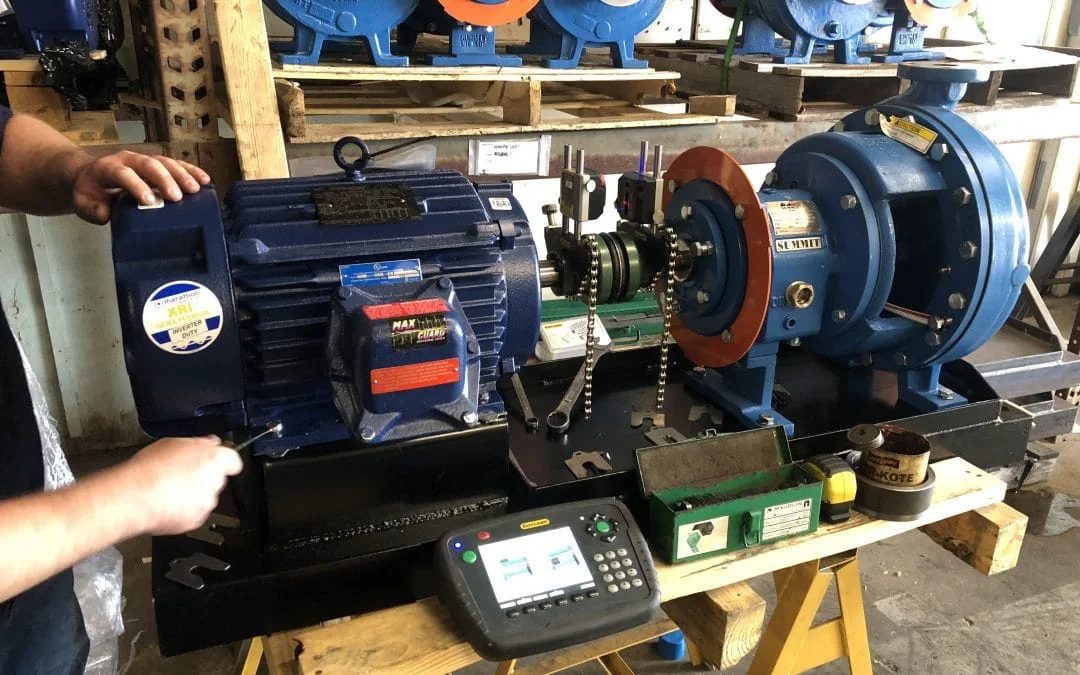
Expert diagnostics for structure-borne noise and vibration from improperly isolated rooftop mechanical equipment.
Direct Engineering Summary
Penthouse pumps and chillers often transmit excessive vibration to lower floors due to bound seismic snubbers, shipping bolts left in spring isolators, or rigid pipe drops. Seismic snubbers require a minimum 1/4 inch air gap to prevent binding, while shipping bolts must be removed post-installation. Western Mechanical, Inc., with UA Local 250 journeymen and CSLB #618138, specializes in diagnosing and correcting these issues to restore proper vibration isolation. Contact us at (661) 251-0111 for expert mechanical engineering solutions.
Engineering Tolerances & Governing Standards
Parameter
Specification
Standard
Seismic Snubber Air Gap (Minimum)
0.25 inches (6.35 mm)
SMACNA Seismic Restraint Manual
Vibration Frequency (Typical HVAC)
60 Hz (Powerline Fundamental)
ISO 20816-3
Spring Isolator Deflection (Operating)
1.0 - 4.0 inches (25 - 100 mm)
ASHRAE Handbook - HVAC Systems & Equipment
Building Code Seismic Design Category
Varies by location (e.g., D, E, F in CA)
ASCE 7 (Minimum Design Loads)
Structure-Borne Noise Reduction (Target)
>20 dB (A-weighted)
ASHRAE 90.1
Diagnosing Bound Seismic Snubbers and Shipping Bolt Failures
One of the most common, yet overlooked, causes of excessive structure-borne noise and vibration from penthouse mechanical equipment is the binding of seismic snubbers or the failure to remove shipping bolts from spring isolators. Seismic snubbers are designed to limit equipment movement during a seismic event but must maintain a critical air gap, typically 1/4 inch, during normal operation. When this gap is compromised by debris, corrosion, or improper installation, the snubber acts as a rigid connection, bypassing the spring isolators and directly transmitting operational vibrations, often at 60 Hz, into the building structure.
Similarly, shipping bolts are integral to securing spring isolators during transit and installation, preventing damage. However, these bolts, if not fully backed off or removed post-commissioning, can render the spring isolators ineffective. They create a direct, rigid path for vibration energy to travel from the equipment to the support structure, leading to significant noise complaints on floors below. Western Mechanical, Inc. UA Local 250 journeymen meticulously inspect these components, understanding the subtle indicators of compromised isolation that generic maintenance often misses.
Impact of Rigid Pipe Drops on Vibration Transmission
Even with properly functioning spring isolators and clear seismic snubber gaps, rigid pipe drops from penthouse equipment can negate all vibration isolation efforts. A stiff, un-flexed pipe connection acts as a direct conduit, transmitting pump or chiller vibrations, particularly those at blade-pass or motor frequencies, directly into the building's piping network and structure. This phenomenon is especially prevalent in Southern California facilities where large chilled water or condenser water lines are common, and thermal expansion/contraction further stresses rigid connections.
Effective vibration isolation requires flexible connectors (e.g., braided stainless steel hoses or rubber expansion joints) on all pipe connections, properly sized and installed to accommodate dynamic movement without transmitting forces. Our mechanical engineers analyze the entire system, including pipe routing, support, and hanger types, to identify and rectify these often-hidden vibration pathways. Correcting these issues not only reduces noise but also extends the operational life of the equipment and associated piping by mitigating fatigue stresses.
Lifecycle ROI and Regulatory Compliance in Southern California
Investing in proper vibration isolation and addressing issues like bound seismic snubbers or rigid pipe drops yields substantial lifecycle ROI for Southern California facilities. Reduced structure-borne noise improves occupant comfort and productivity, critical in HCAI-regulated healthcare environments or high-rise commercial buildings. Furthermore, mitigating excessive vibration extends the lifespan of mechanical equipment, reduces premature wear on bearings and seals, and lowers energy consumption by allowing machinery to operate at optimal efficiency without fighting structural resonances.
Compliance with local building codes, such as Title 24 Part 6 for energy efficiency and seismic design requirements, often implicitly or explicitly mandates effective vibration control. Western Mechanical, Inc. ensures that all isolation solutions meet or exceed these standards, employing UA Local 250 certified technicians who understand the nuances of Southern California's unique seismic and environmental conditions. Our CSLB #618138 expertise guarantees not just a fix, but a robust, code-compliant, and long-lasting engineering solution.
UA Local 250 Certified Field Diagnostic & Commissioning Protocol
Verify seismic snubber air gaps using a feeler gauge; ensure minimum 0.25 inches (6.35 mm) clearance.
Inspect all spring isolators for shipping bolts; confirm complete removal or full backing off to allow free spring deflection.
Perform vibration analysis with an accelerometer at equipment mounting points and adjacent structure to identify dominant frequencies (e.g., 60 Hz).
Check all pipe connections for rigidity; confirm proper installation and flexibility of braided hoses or expansion joints.
Measure dynamic deflection of spring isolators under operating load; compare against manufacturer's specified deflection range.
Facility Director & Chief Engineer FAQs
What is the primary function of a seismic snubber?
A seismic snubber's primary function is to limit excessive equipment movement during a seismic event, preventing damage. Crucially, it must allow free movement during normal operation by maintaining a specific air gap, typically 1/4 inch, to ensure proper vibration isolation.
How do shipping bolts cause vibration problems?
Shipping bolts, if not removed or fully backed off after installation, create a rigid connection between the equipment and its support structure. This bypasses the intended vibration isolation of the spring isolators, directly transmitting operational vibrations into the building.
Can flexible pipe connectors fail and transmit vibration?
Yes, flexible pipe connectors can fail or become stiff over time due to material degradation, improper installation, or excessive system pressure/temperature. This loss of flexibility allows them to transmit vibration, negating their intended isolation purpose. Regular inspection is vital.
Why is 60 Hz vibration a common issue in mechanical systems?
60 Hz vibration is common because it corresponds to the fundamental frequency of AC electrical power in North America. Many motors and electrical components operate at or near this frequency, making it a prevalent source of structure-borne noise if not properly isolated.
Acton Headquarters & 24/7 Southern California Dispatch
Western Mechanical, Inc. • 2210 Soledad Canyon Road, Suite O, Acton, CA 93510 • Primary Phone: (661) 251-0111 • 24/7 Toll-Free: (800) 585-5085 • CSLB #618138 (C-20, C-38, C-4)