WESTERN MECHANICAL, INC. | Primary Dispatch: (661) 251-0111 | 24/7 Hotline: (800) 585-5085 | CSLB #618138 (C-20, C-38, C-4) | 100% UA Local 250 Union
ASHRAE 188 & CMS Hospital Legionella Compliance for Cooling Towers
Expert Water Management Plans for Healthcare Facilities in Southern California
Direct Engineering Summary
ASHRAE Standard 188-2021 mandates a comprehensive water management program for building water systems to minimize Legionella risk, particularly in healthcare facilities. Compliance for cooling towers involves biocide rotation (oxidizing vs. non-oxidizing), automated ORP/conductivity control, semi-annual basin disinfection, and critical drift eliminator inspections. Western Mechanical, Inc., with CSLB #618138 and UA Local 250 journeymen, specializes in these programs for Southern California hospitals, ensuring adherence to CMS requirements and optimal system performance. Call (661) 251-0111 for expert service.
Engineering Tolerances & Governing Standards
Parameter
Specification
Standard
Free Chlorine Residual (Oxidizing)
0.5 - 1.0 ppm
ASHRAE 188-2021, CDC Guidelines
Oxidation-Reduction Potential (ORP)
650 - 750 mV
ASHRAE 188-2021
Cooling Tower Drift Rate
< 0.0005% of recirculating flow
CTI ATC-140, ASHRAE 188-2021
Water Conductivity (Max)
1500 2000 µS/cm (site-specific)
Cooling Tower Institute (CTI) Standards
Biocide Contact Time (Non-Oxidizing)
4 - 6 hours (minimum)
Manufacturer SDS, ASHRAE 188-2021
Implementing Robust Water Management Plans for Healthcare
Achieving ASHRAE Standard 188-2021 and CMS compliance for hospital cooling towers necessitates a meticulously engineered water management plan. This isn't merely about chemical treatment; it involves a holistic approach to minimize Legionella proliferation risk, critical for immunocompromised patient populations. Western Mechanical, Inc. designs and implements programs that integrate continuous monitoring with proactive mitigation strategies, focusing on the unique environmental stressors of Southern California's climate, such as high evaporation rates and fluctuating water quality.
Our UA Local 250 certified journeymen are adept at identifying and rectifying system vulnerabilities, including potential dead legs, low-flow zones, and biofilm accumulation points, which serve as Legionella amplification sites. The program encompasses detailed risk assessments, operational control strategies, and verification procedures, ensuring that every component of the cooling tower system, from makeup water to blowdown, is managed to stringent health and safety standards, thereby protecting both patients and staff.
Advanced Biocide Rotation and Automated Control Systems
Effective Legionella control hinges on a strategic biocide rotation program, alternating between oxidizing and non-oxidizing biocides to prevent microbial resistance and ensure comprehensive eradication. Oxidizing biocides like chlorine or bromine rapidly kill microorganisms but can be corrosive; non-oxidizing alternatives offer broader spectrum control and biofilm penetration. Western Mechanical, Inc. deploys automated ORP (Oxidation-Reduction Potential) and conductivity controllers to precisely dose chemicals, maintaining optimal biocide levels while minimizing chemical consumption and environmental impact.
These advanced control systems provide real-time data, allowing for immediate adjustments to water chemistry based on system demand and environmental conditions. Our integration of these technologies ensures consistent water quality, reduces the risk of Legionella outbreaks, and extends the operational life of cooling tower components by preventing scale and corrosion. This proactive management significantly reduces the total cost of ownership for healthcare facilities by avoiding costly emergency treatments and potential regulatory penalties.
Critical Physical Inspections and Remediation Strategies
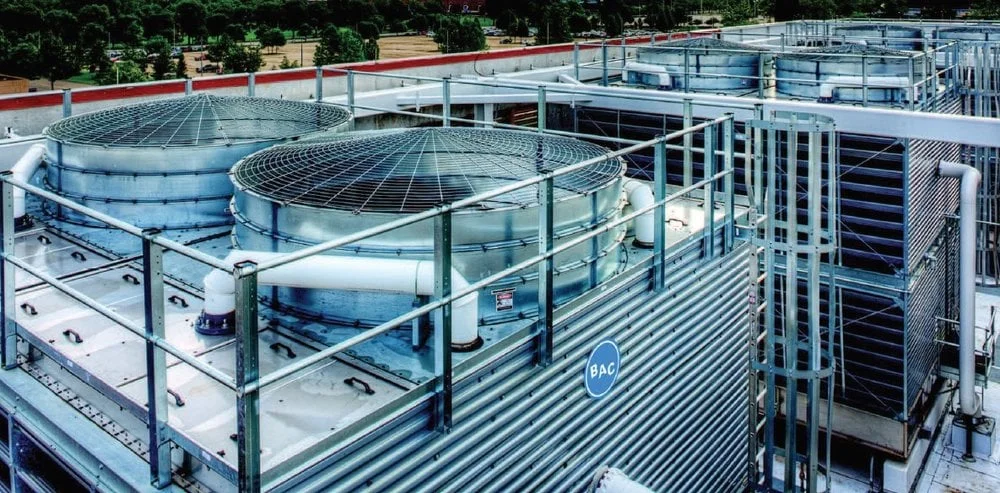
Beyond chemical treatment, physical integrity is paramount for Legionella prevention. Our comprehensive compliance programs include rigorous inspections of cooling tower drift eliminators, which are crucial for minimizing aerosolized water droplets that can carry Legionella bacteria into the surrounding environment. Damaged or misaligned drift eliminators compromise containment, making their regular inspection and prompt repair a cornerstone of ASHRAE 188 adherence and CMS requirements.
Furthermore, semi-annual cooling tower basin disinfection and thorough cleaning are essential to remove accumulated sediment, biofilm, and organic matter that can harbor Legionella. Our UA Local 250 technicians also perform meticulous dead-leg removal and system modifications to eliminate stagnant water zones. These physical remediation steps, combined with our advanced water treatment protocols, create a robust defense against Legionella, ensuring the highest level of safety and compliance for Southern California's critical healthcare infrastructure.
UA Local 250 Certified Field Diagnostic & Commissioning Protocol
Verify ORP controller calibration against a reference standard, ensuring ±10mV accuracy.
Inspect cooling tower drift eliminators for damage, gaps, or fouling, documenting percentage blockage.
Measure biocide residual (e.g., Free Chlorine) using a DPD colorimetric test kit after injection cycle.
Conduct visual inspection of cooling tower basin for sediment, biofilm, and signs of corrosion or dead legs.
Confirm automated blowdown system functionality by verifying conductivity setpoints and valve operation.
Facility Director & Chief Engineer FAQs
Why is ASHRAE 188 compliance critical for hospitals?
ASHRAE 188-2021 is crucial for hospitals because it provides a framework to minimize Legionella risk, protecting vulnerable patient populations. Non-compliance can lead to severe health outcomes, regulatory fines from CMS, and significant reputational damage. It mandates a proactive, engineered approach to water management.
What is the role of biocide rotation in Legionella control?
Biocide rotation involves alternating between oxidizing (e.g., chlorine) and non-oxidizing (e.g., glutaraldehyde) biocides. This strategy prevents microorganisms from developing resistance to a single chemical, ensuring more effective and sustained Legionella control within cooling tower systems. It's a cornerstone of ASHRAE 188.
How do dead legs contribute to Legionella risk?
Dead legs are sections of piping or equipment with intermittent or no water flow. These stagnant zones allow water to sit, deplete disinfectant, and foster biofilm growth, creating ideal conditions for Legionella amplification. Identifying and eliminating dead legs is a critical physical mitigation strategy.
What is the significance of ORP monitoring in cooling towers?
ORP (Oxidation-Reduction Potential) monitoring provides a real-time indication of water's sanitizing capacity. Maintaining an optimal ORP range (e.g., 650-750mV) ensures effective biocide activity against Legionella and other pathogens, crucial for automated control and ASHRAE 188 compliance.
Acton Headquarters & 24/7 Southern California Dispatch
Western Mechanical, Inc. • 2210 Soledad Canyon Road, Suite O, Acton, CA 93510 • Primary Phone: (661) 251-0111 • 24/7 Toll-Free: (800) 585-5085 • CSLB #618138 (C-20, C-38, C-4)