WESTERN MECHANICAL, INC. | Primary Dispatch: (661) 251-0111 | 24/7 Hotline: (800) 585-5085 | CSLB #618138 (C-20, C-38, C-4) | 100% UA Local 250 Union
Protecting 100% Outdoor-Air Hospital Air Handlers on 28°F SoCal Foothill Nights
Advanced Freeze Protection Strategies for Healthcare Cooling Coils in Acton, Palmdale, Santa Clarita, and San Gabriel Valleys
Direct Engineering Summary
Protecting 100% outdoor-air hospital cooling coils from freezing on cold Southern California nights (e.g., 28°F) requires a multi-layered approach, including preheat pump circulation, serpentine capillary freeze stats set at 35°F, sequenced face-and-bypass dampers, and glycol-filled coils. Western Mechanical, Inc., with CSLB #618138 and UA Local 250 journeymen, specializes in designing and implementing these critical systems to maintain HCAI compliance and patient safety. Call (661) 251-0111 for expert service.
Engineering Tolerances & Governing Standards
Parameter
Specification
Standard
Freeze Stat Setpoint
35°F (1.7°C) minimum
ASHRAE 170 / HCAI PIN 70
Glycol Concentration (Ethylene/Propylene)
30-40% by volume for -10°F freeze point
ASTM D1177
Minimum Air Velocity Across Coil
400 FPM (2.03 m/s) during operation
ASHRAE 90.1
Preheat Water Temperature (Entering Coil)
45-50°F (7.2-10°C) minimum
Manufacturer Specific
Damper Leakage Class (Face & Bypass)
Class 1A (0.5 CFM/sqft @ 4" w.g.)
AMCA 500-D
The Criticality of 100% OAHU Freeze Protection in SoCal Hospitals
Southern California's high desert and foothill regions, including Acton, Palmdale, and parts of the Santa Clarita and San Gabriel Valleys, experience significant diurnal temperature swings, with winter nights frequently dropping below freezing. For hospitals operating 100% Outdoor-Air Handling Units (OAHUs), this presents a substantial risk of cooling coil freeze and rupture. Unlike comfort cooling systems, healthcare OAHUs cannot recirculate air, making their coils directly exposed to ambient sub-freezing temperatures. A ruptured coil not only causes extensive water damage and costly repairs but also compromises critical ventilation and filtration, jeopardizing patient safety and HCAI compliance.
The unique challenge in these areas is that while daytime temperatures might be mild, radiant cooling under clear desert skies can plummet nighttime temperatures to 28°F or lower. Western Mechanical, Inc. understands that a robust, multi-layered freeze protection strategy is paramount. Relying solely on a single freeze stat is insufficient; a comprehensive approach integrates active preheating, precise damper control, and often, glycol-filled coils to create redundant safeguards against catastrophic failure, ensuring continuous, safe operation for essential healthcare facilities.
Engineering Layered Defenses: Preheat, Damper Control, and Glycol
Effective hospital cooling coil freeze prevention begins with active preheating. This involves circulating warm water, often from a dedicated preheat pump or a diversion from the building's heating loop, through the cooling coil when ambient temperatures approach freezing. The goal is to maintain the coil's internal temperature above 35°F, preventing ice formation. Complementing this, serpentine capillary freeze stats provide a distributed temperature sensing network across the entire coil face, triggering alarms and initiating protective actions (e.g., shutting down the fan, opening steam/hot water valves, closing outdoor air dampers) if any section drops below the setpoint, typically 35°F.
Further enhancing protection are precisely controlled face-and-bypass dampers. During freezing conditions, the face dampers modulate closed, diverting airflow around the coil through the bypass section, while simultaneously introducing preheated air. For the most critical applications, incorporating a glycol-filled cooling coil provides an inherent safeguard. Glycol solutions (e.g., 30-40% propylene glycol) lower the freezing point of the fluid within the coil significantly, offering a passive, robust defense even during power outages or control system malfunctions. Western Mechanical, Inc. designs and installs these integrated systems, ensuring seamless operation and compliance for healthcare facilities.
Preventative Maintenance and Lifecycle ROI for Healthcare HVAC
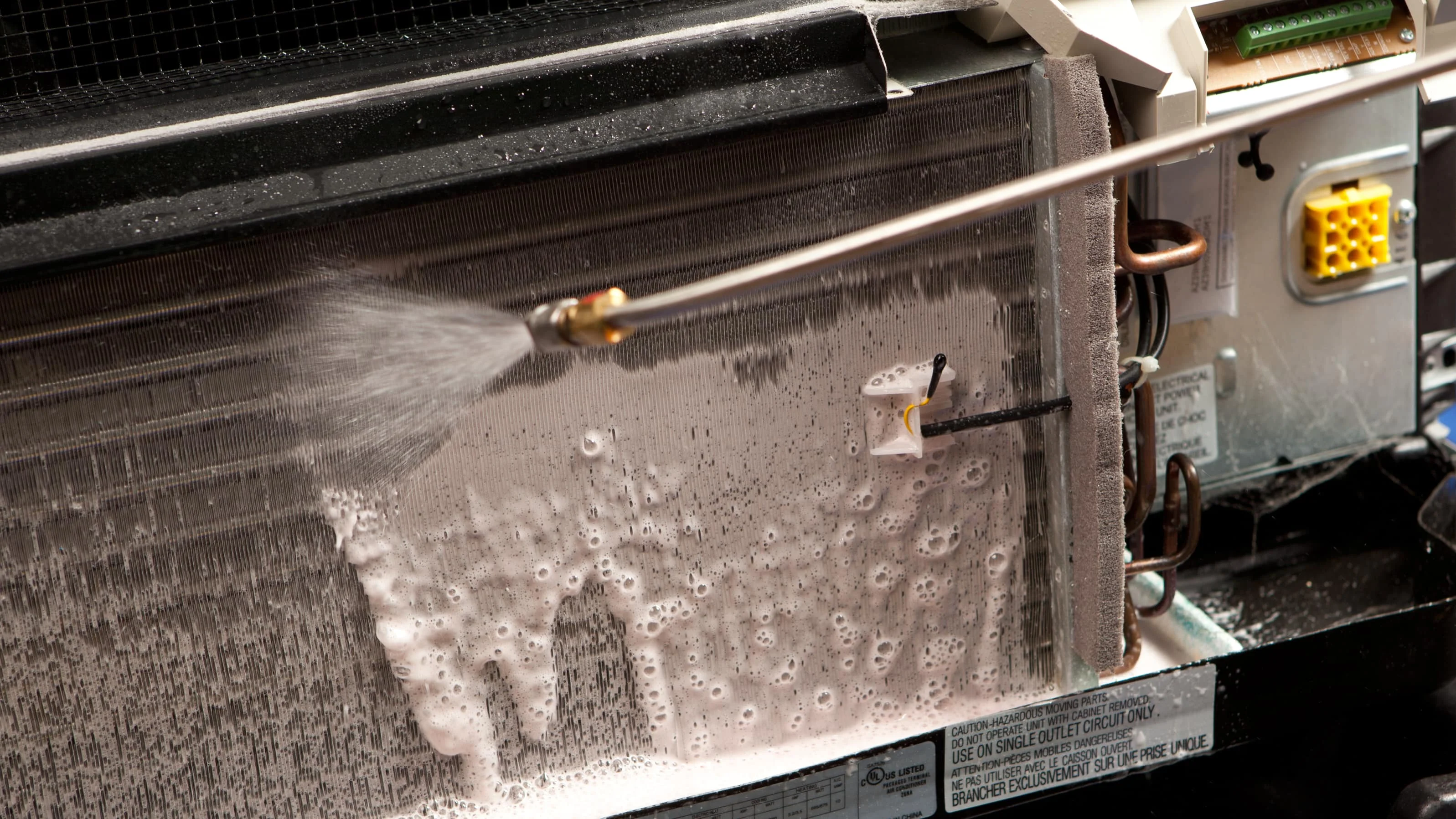
Beyond initial installation, the long-term reliability of hospital OAHU freeze protection hinges on rigorous preventative maintenance. Regular calibration of freeze stats, inspection of damper linkages for free movement, and verification of preheat pump operation are essential. In Southern California's dusty environments, coils can become fouled, impacting heat transfer efficiency and making them more susceptible to freezing. Scheduled coil cleaning and fluid analysis for glycol systems (checking concentration and pH) are critical to maintaining optimal performance and extending equipment life. These proactive measures prevent costly emergency repairs and operational downtime.
Investing in advanced freeze protection and its ongoing maintenance yields significant lifecycle ROI for healthcare facilities. A single coil rupture can incur hundreds of thousands of dollars in repair costs, water damage remediation, and potential patient relocation expenses. By contrast, a well-maintained, multi-layered system ensures uninterrupted critical air quality, preserves expensive equipment, and avoids regulatory penalties from HCAI. Western Mechanical, Inc., with CSLB #618138 and UA Local 250 journeymen, provides comprehensive maintenance programs tailored to the unique demands of hospital HVAC systems in the challenging SoCal climate.
UA Local 250 Certified Field Diagnostic & Commissioning Protocol
Verify capillary freeze stat continuity and setpoint calibration using an ice bath or calibrated thermistor, ensuring activation at 35°F.
Inspect face and bypass damper actuators and linkages for smooth, full travel and zero binding, confirming Class 1A leakage rating.
Measure glycol concentration with a refractometer and pH level of the coil fluid, adjusting as necessary to maintain target freeze point and corrosion inhibition.
Confirm preheat pump operation, verifying flow rates and temperature rise across the preheat coil via differential pressure gauges and RTDs.
Conduct a simulated freeze condition test (if permissible) to validate control sequence logic, alarm activation, and emergency fan shutdown protocols.
Facility Director & Chief Engineer FAQs
Why are hospital OAHU cooling coils more susceptible to freezing than other commercial HVAC systems?
Hospital OAHUs use 100% outdoor air, meaning their cooling coils are directly exposed to ambient temperatures without the benefit of recirculated warmer indoor air. This direct exposure, especially in regions with cold nights, significantly increases the risk of freezing compared to systems that mix outdoor and return air.
What is the typical setpoint for a capillary freeze stat in a hospital OAHU?
A typical capillary freeze stat in a hospital OAHU is set to trigger at 35°F (1.7°C). This setpoint provides a critical buffer above water's freezing point, allowing time for protective actions like fan shutdown, damper modulation, and preheat activation before ice can form and cause damage.
How do face-and-bypass dampers contribute to freeze protection?
Face-and-bypass dampers protect coils by diverting airflow around the cooling coil during freezing conditions. The face dampers close, preventing cold air from directly impinging on the coil, while the bypass dampers open, allowing air to continue through the air handler, often mixing with preheated air to maintain supply temperature.
Is glycol always necessary for hospital cooling coil freeze protection in Southern California?
While not always strictly necessary for every SoCal location, glycol becomes highly recommended or essential in colder foothill and high desert areas like Acton or Palmdale, where sustained sub-freezing temperatures are common. It provides a robust, passive layer of protection, especially for critical HCAI-compliant facilities.
Acton Headquarters & 24/7 Southern California Dispatch
Western Mechanical, Inc. • 2210 Soledad Canyon Road, Suite O, Acton, CA 93510 • Primary Phone: (661) 251-0111 • 24/7 Toll-Free: (800) 585-5085 • CSLB #618138 (C-20, C-38, C-4)