WESTERN MECHANICAL, INC. | Primary Dispatch: (661) 251-0111 | 24/7 Hotline: (800) 585-5085 | CSLB #618138 (C-20, C-38, C-4) | 100% UA Local 250 Union
Replacing Rusted-Out Rooftop Curbs & Collapsed AHU Spring Isolators Safely
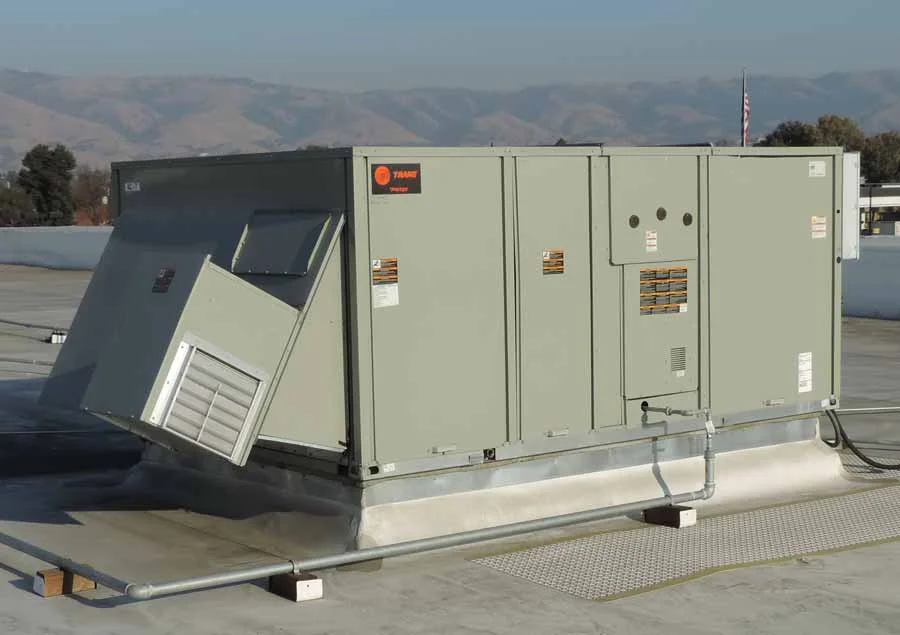
Expert structural mechanical services for jacking 15,000-lb air handlers, installing hot-dipped galvanized California seismic-rated restrained isolators, and resealing roof flashing penetrations watertight.
Direct Engineering Summary
Western Mechanical, Inc. performs critical replacements of rusted rooftop air handler unit (AHU) curbs and collapsed spring isolators by safely jacking units weighing up to 15,000 lbs. Our UA Local 250 journeymen install hot-dipped galvanized, California seismic-rated restrained isolators that meet OSHPD and ASCE 7-16 standards, ensuring minimum 1.0" static deflection and 0.5g seismic restraint. This process includes meticulous resealing of roof flashing penetrations to prevent leaks. Contact Western Mechanical, Inc., CSLB #618138, at (661) 251-0111 for structural mechanical integrity.
Engineering Tolerances & Governing Standards
Parameter
Specification
Standard
AHU Jacking Capacity
Up to 15,000 lbs per unit
ASME B30.1 Safety Standard for Jacks
Isolator Static Deflection
Minimum 1.0 inch (25.4 mm)
ASHRAE HVAC Applications Handbook
Seismic Restraint Rating
0.5g lateral and vertical
ASCE 7-16, OSHPD Seismic Design
Corrosion Protection
Hot-dipped galvanized per ASTM A123
ASTM A123 / A123M-17
Roof Penetration Sealant
UV-resistant, high-modulus polyurethane
ASTM C920, Type S, Grade NS, Class 50
The Criticality of Rooftop AHU Structural Integrity
Rooftop air handler units (AHUs) represent significant dead loads, often exceeding 10,000 lbs, which are dynamically amplified by operational forces and seismic events. Over time, the structural integrity of supporting curbs and vibration isolators can degrade due to relentless exposure to Southern California's intense UV radiation, thermal cycling, and corrosive atmospheric elements. Rusted-out curbs compromise the roof membrane's waterproofing, leading to costly leaks, while collapsed or degraded spring isolators transmit excessive vibration and noise into the building structure, accelerating wear on internal components and disturbing occupants.
Ignoring these structural deficiencies can lead to catastrophic failure, including roof collapse or severe equipment damage during seismic activity, which is a significant concern in California. Western Mechanical, Inc. addresses these challenges by employing engineered jacking procedures to safely lift these massive units. Our precise methodology allows for the complete removal and replacement of compromised curbs and the installation of new, hot-dipped galvanized, seismic-rated restrained spring isolators designed to meet or exceed ASCE 7-16 standards, ensuring long-term operational stability and code compliance.
Engineered Solutions for Seismic Isolation and Corrosion Resistance
The selection and installation of appropriate vibration isolation and seismic restraint systems are paramount for rooftop AHUs. Our approach involves specifying restrained spring isolators that provide a minimum of 1.0 inch of static deflection for effective vibration attenuation, coupled with robust seismic snubbers capable of withstanding 0.5g lateral and vertical forces. These isolators are hot-dipped galvanized in accordance with ASTM A123, providing superior corrosion resistance compared to standard painted or electro-galvanized finishes, a crucial factor for equipment exposed to the harsh rooftop environment in areas like Acton, CA.
Beyond the isolators themselves, the entire structural support system, including new rooftop curbs, must be designed and installed to integrate seamlessly with the existing roof structure and membrane. Western Mechanical, Inc.'s UA Local 250 journeymen meticulously manage flashing details and sealant applications using high-performance, UV-stable polyurethane sealants meeting ASTM C920 specifications. This comprehensive approach ensures not only the mechanical stability and seismic resilience of the AHU but also the long-term watertight integrity of the building envelope, preventing future water intrusion issues.
Precision Installation & Lifecycle ROI
The process of replacing AHU curbs and isolators requires precision engineering and specialized equipment. Our teams utilize hydraulic jacking systems with calibrated load cells to evenly distribute the AHU's weight during lifting, preventing structural distortion. Each new isolator is carefully positioned and adjusted to achieve the specified static deflection, ensuring optimal vibration isolation. Post-installation, comprehensive testing, including visual inspections and, where applicable, vibration analysis, confirms that the system performs as designed, meeting both operational requirements and regulatory mandates.
Investing in professional, code-compliant replacement of rusted rooftop curbs and collapsed spring isolators yields significant lifecycle ROI. It extends the operational lifespan of expensive AHU equipment by reducing wear from excessive vibration, minimizes energy consumption by allowing the unit to operate at peak efficiency, and eliminates costly water damage from compromised roof penetrations. Furthermore, it ensures compliance with California's stringent seismic codes, safeguarding facility assets and personnel, and ultimately enhancing the overall resilience and value of the commercial property.
UA Local 250 Certified Field Diagnostic & Commissioning Protocol
Verify AHU weight and center of gravity using OEM data or calculated estimates for jacking plan.
Inspect existing rooftop curb and isolator condition, documenting corrosion, deflection, and structural damage with photographic evidence.
Confirm new isolator static deflection (min. 1.0") and seismic restraint (0.5g) ratings against ASCE 7-16 and OSHPD requirements.
Perform controlled hydraulic jacking, monitoring AHU lift points for even elevation and structural stability using digital gauges.
Apply ASTM C920 compliant, UV-resistant sealant to all new roof flashing penetrations and curb-to-roof membrane interfaces.
Facility Director & Chief Engineer FAQs
How often should rooftop AHU spring isolators be inspected?
Rooftop AHU spring isolators should be inspected annually as part of a comprehensive preventive maintenance program. This includes checking for corrosion, proper deflection, spring fatigue, and the integrity of seismic restraints. Early detection of issues prevents costly failures and ensures continuous system performance.
What are the risks of ignoring collapsed AHU spring isolators?
Ignoring collapsed spring isolators significantly increases vibration transmission, leading to accelerated wear on AHU components (bearings, fans, motors), increased noise levels, and potential structural damage to the roof. In seismic zones, it dramatically heightens the risk of equipment displacement or failure during an earthquake.
Why is hot-dipped galvanization important for rooftop isolators?
Hot-dipped galvanization provides superior corrosion protection for rooftop isolators compared to other coatings. The zinc alloy layer offers both barrier and cathodic protection, crucial for resisting the severe weather, UV exposure, and atmospheric pollutants common on Southern California rooftops, ensuring extended service life.
Does Western Mechanical, Inc. handle the roof patching after replacement?
Yes, Western Mechanical, Inc. provides comprehensive service that includes meticulous resealing and patching of all roof penetrations affected by the curb and isolator replacement. Our UA Local 250 journeymen ensure all flashing and sealant applications meet industry standards for watertight integrity, preventing future leaks.
Acton Headquarters & 24/7 Southern California Dispatch
Western Mechanical, Inc. • 2210 Soledad Canyon Road, Suite O, Acton, CA 93510 • Primary Phone: (661) 251-0111 • 24/7 Toll-Free: (800) 585-5085 • CSLB #618138 (C-20, C-38, C-4)