WESTERN MECHANICAL, INC. | Primary Dispatch: (661) 251-0111 | 24/7 Hotline: (800) 585-5085 | CSLB #618138 (C-20, C-38, C-4) | 100% UA Local 250 Union
Biopharmaceutical Fermenter & Jacketed Vessel Chilled Glycol/Steam Control
Precision Temperature Management for Critical Bioprocesses in Southern California
Direct Engineering Summary
Western Mechanical, Inc. specializes in the design, installation, and maintenance of biopharmaceutical fermenter and jacketed vessel process glycol loops, ensuring precise temperature control within ±0.1°C. Our UA Local 250 signatory journeymen integrate fast-response split-range heating/cooling control valves, sanitary Tri-Clamp heat exchanger isolation, and redundant process chiller skids. We adhere to ASME BPE standards for orbital welding and surface finish, crucial for cGMP compliance in Thousand Oaks, Irvine, and Pasadena biotech facilities. Contact Western Mechanical, Inc., CSLB #618138, at (661) 251-0111.
Engineering Tolerances & Governing Standards
Parameter
Specification
Standard
Temperature Control Accuracy
±0.1°C (process fluid)
ASME BPE-2019
Glycol Loop Pressure Drop
< 1.5 psi across jacket
Process Design Specification
Control Valve Response Time
< 2 seconds to 90% stroke
ISA S75.02
Chiller Redundancy
N+1 or N+2 configuration
cGMP Critical Utility
Surface Finish (Wetted Parts)
Ra < 20 µin (0.5 µm)
ASME BPE SF1/SF4
Optimizing Bioreactor Temperature Control with Split-Range Valves
Precise temperature control is paramount for biopharmaceutical fermenters and jacketed vessels, directly impacting cell viability, product yield, and protein folding. Our approach utilizes fast-response split-range control valves on both the heating (steam) and cooling (chilled glycol) loops. This configuration allows a single PID controller output to modulate two distinct valves, with one opening as the other closes, ensuring seamless transition between heating and cooling demands. This prevents thermal shock and maintains tight setpoint adherence, typically within ±0.1°C, critical for sensitive biological processes in Southern California's fluctuating ambient conditions.
The physics behind split-range control mitigates overshoot and undershoot by providing proportional control across the entire operating range, rather than relying on discrete on/off cycling. For instance, if the bioreactor temperature drifts slightly high, the controller incrementally opens the chilled glycol valve while simultaneously closing the steam valve, preventing excessive cooling. This dynamic response minimizes process variability, reduces energy consumption by avoiding simultaneous heating and cooling, and extends the lifespan of both the control valves and the bioreactor itself, a key ROI factor for facilities in Thousand Oaks and Irvine.
Sanitary Design and Redundant Chiller Integration for cGMP Compliance
Maintaining cGMP compliance in biopharmaceutical manufacturing demands meticulous attention to sanitary design, particularly for process utility systems. Our glycol loops incorporate sanitary Tri-Clamp connections for all heat exchanger isolation and instrumentation points, facilitating efficient Clean-In-Place (CIP) and Steam-In-Place (SIP) procedures. All wetted surfaces are specified and verified to ASME BPE surface finish requirements (e.g., Ra < 20 µin), preventing microbial adhesion and ensuring product purity. This robust sanitary engineering minimizes contamination risks, a non-negotiable aspect for biotech facilities operating under stringent FDA regulations in Pasadena.
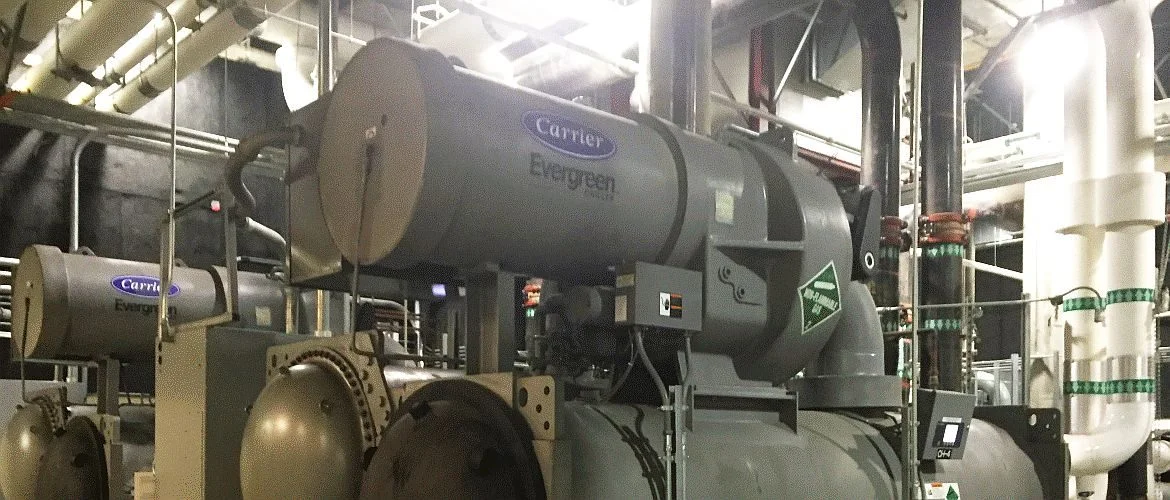
Beyond sanitary design, system reliability is ensured through the integration of redundant process chiller skids. Typically configured in an N+1 or N+2 arrangement, these chillers provide uninterrupted cooling capacity even during maintenance or unexpected failures of a primary unit. Each chiller skid is designed with independent controls and isolation valves, allowing for seamless switchover and preventing any disruption to critical bioreactor operations. This redundancy is vital for protecting valuable cell cultures and batches, directly impacting the economic viability and operational continuity of high-value biopharma production.
Lifecycle ROI and Preventative Maintenance for Process Glycol Systems
Investing in expertly engineered and maintained process glycol loops yields significant lifecycle ROI for biopharmaceutical operations. Our UA Local 250 signatory journeymen understand the intricate balance between capital expenditure and operational efficiency. Proper sizing of pumps, piping, and heat exchangers, coupled with optimized control strategies, reduces energy consumption and minimizes utility costs. Furthermore, the longevity of critical components like control valves and chillers is maximized through adherence to manufacturer specifications and a proactive preventative maintenance schedule, preventing costly unscheduled downtime.
Western Mechanical, Inc. provides comprehensive preventative maintenance programs tailored to the unique demands of biopharma process utility systems. This includes regular calibration of RTDs and pressure transmitters, inspection and testing of control valves, glycol fluid analysis (concentration, pH, corrosion inhibitors), and performance validation of chiller units. Such rigorous maintenance ensures that the glycol loops consistently meet the tight temperature tolerances required for bioprocessing, safeguarding product quality and regulatory compliance, and ultimately contributing to the sustained profitability of our clients in Southern California.
UA Local 250 Certified Field Diagnostic & Commissioning Protocol
Verify chilled glycol supply/return temperature differential (typically 5-10°C) with calibrated RTD probes.
Confirm split-range control valve stroke linearity and response time (e.g., <2 seconds to 90% open/close) using a valve positioner diagnostic tool.
Measure glycol concentration (e.g., 30-40% propylene glycol) with a refractometer and pH with a process pH meter.
Inspect Tri-Clamp connections for proper gasket seating and torque, ensuring no weepage or potential entrapment areas.
Validate redundant chiller auto-switchover functionality by simulating a lead chiller fault and confirming seamless transition.
Facility Director & Chief Engineer FAQs
Why are split-range control valves preferred for bioreactor temperature control?
Split-range valves provide continuous, precise modulation between heating and cooling, preventing thermal shock and maintaining tighter temperature setpoints (e.g., ±0.1°C). This avoids the cycling inherent in separate on/off control systems, which can stress bioreactor jackets and impact sensitive cell cultures, improving overall process stability and yield.
What sanitary standards are critical for biopharma glycol loops?
ASME BPE (BioProcessing Equipment) is the primary standard, dictating surface finishes (Ra < 20 µin for wetted parts), drainability, and material compatibility. Tri-Clamp connections, orbital welding, and proper gasket selection are essential to prevent microbial ingress and facilitate effective Clean-In-Place (CIP) procedures, ensuring cGMP compliance.
How does chiller redundancy protect bioprocesses?
Redundant chiller configurations (N+1 or N+2) ensure continuous cooling capacity for critical bioreactors. If a primary chiller fails or requires maintenance, a standby unit automatically takes over, preventing costly batch losses due to temperature excursions. This is a fundamental requirement for high-value biopharmaceutical production.
What maintenance is crucial for biopharma process glycol systems?
Regular maintenance includes glycol fluid analysis (concentration, pH, corrosion inhibitors), control valve calibration, pump alignment, heat exchanger cleaning, and chiller performance checks. This proactive approach by Western Mechanical, Inc. prevents unexpected failures, maintains system efficiency, and ensures cGMP compliance, maximizing uptime and ROI.
Acton Headquarters & 24/7 Southern California Dispatch
Western Mechanical, Inc. • 2210 Soledad Canyon Road, Suite O, Acton, CA 93510 • Primary Phone: (661) 251-0111 • 24/7 Toll-Free: (800) 585-5085 • CSLB #618138 (C-20, C-38, C-4)